Capital Region
Reykjavík culture, design, and cozy cafés, minutes from wild coastlines.
Iceland sits on the Mid-Atlantic Ridge where two tectonic plates pull apart — a 103,000 km² island of active volcanoes, glaciers covering 11% of the land, and geothermal energy heating 90% of homes. Use the guide library to explore the country, or send a trip-planning enquiry with your dates and preferences. Any proposal or booking needs separate confirmation.
Quick facts
A tiny island, huge variety.
Eight regions, eight moods. Choose your base, then build a route that matches your pace.
Reykjavík culture, design, and cozy cafés, minutes from wild coastlines.
Lava fields, geothermal heat, and ocean spray: raw landscapes close to the airport.
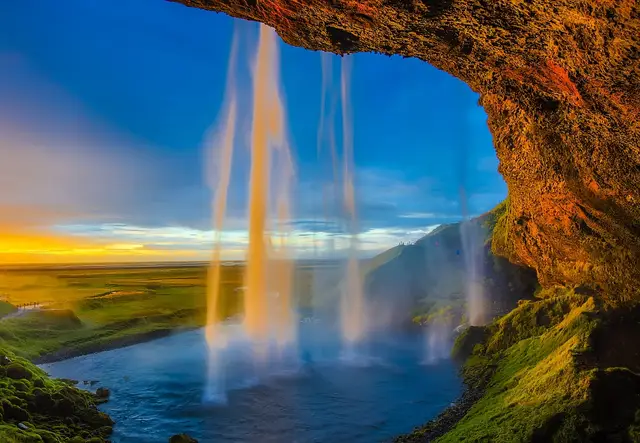
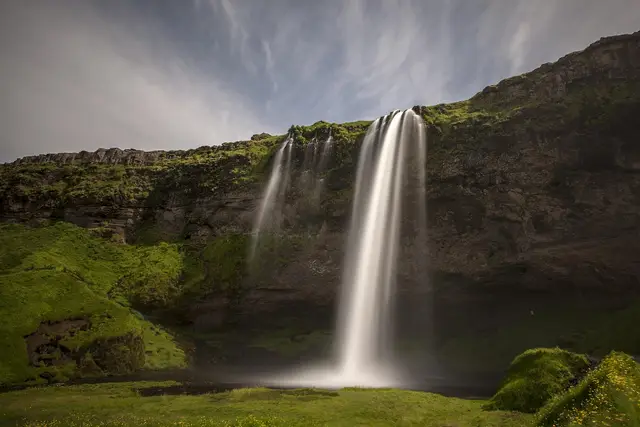
Easy escapes: waterfalls, small towns, and classic road-trip scenery.
Remote fjords and quiet roads, with sea cliffs, hot pools, and real solitude.
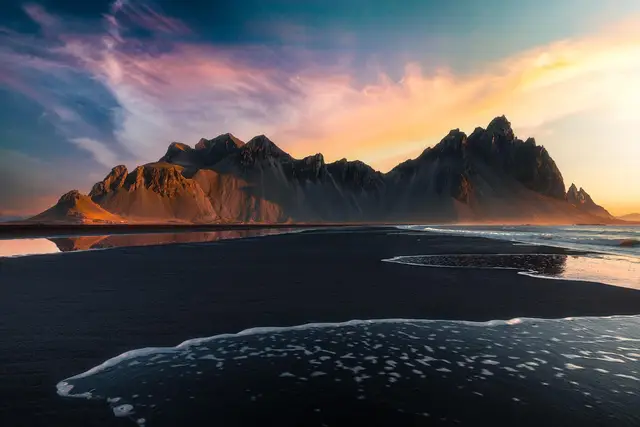
A ‘mini Iceland’: cliffs, lava fields, fishing villages, and photogenic peaks.
Geothermal baths, whale watching, and quiet towns with big skies.
Slow travel along fjords: harbors, hikes, and quiet coastal towns.
Waterfalls, glaciers, and black-sand beaches in one drive.
Choose a starting point by region and the kind of visit you want, then check the guide for access and planning details.
Þingvellir • Geysir • Gullfoss
North Iceland
Start with language, bathing, national parks, northern lights, population and coastal safety. These are editorial selections, chosen to cover different parts of a trip.
Icelandic is the national language; English is widely spoken alongside it.
How to fit the milky-blue lagoon on the Reykjanes Peninsula into your route.
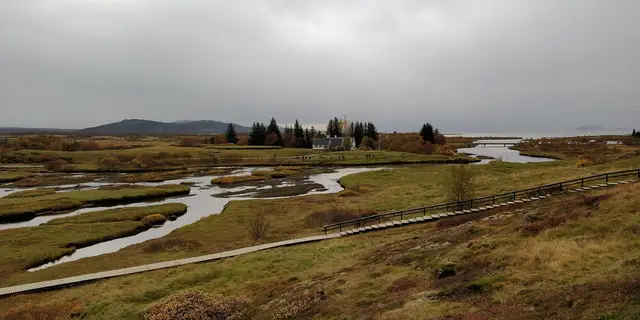
A rift valley between two tectonic plates and the site of Iceland's ancient parliament.
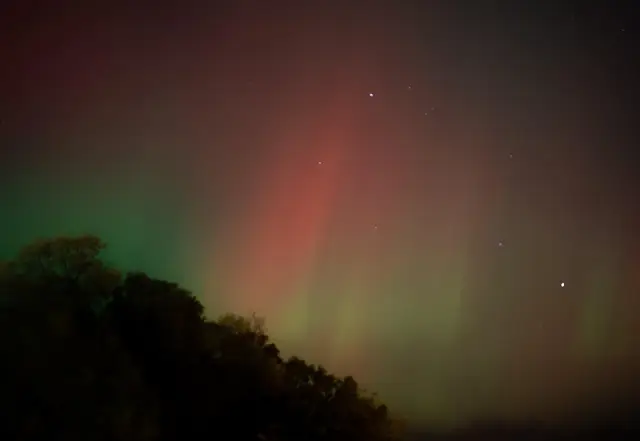
How to read aurora activity and cloud-cover forecasts before you head out.
Iceland has strict rules for bringing dogs in. Plan well ahead so your pup clears the border without a hitch.
Iceland treats dogs as imported animals, so you can't simply fly in with your pet. You'll need an import permit from MAST (the Icelandic Food and Veterinary Authority) arranged months in advance, plus proof of microchipping, an up-to-date rabies vaccination and titre test, and a recent veterinary health certificate. On arrival most dogs go through a mandatory quarantine stay at an approved facility, so build that time and cost into your trip. Recommendations: start the paperwork early, keep vaccination records handy, book quarantine space ahead, and pack for cold, windy weather. For MAST import permits, microchip and rabies requirements, the titre test, quarantine versus home isolation, costs, and a full timeline, read our complete guide to traveling to Iceland with dogs . Traveling with a service animal? Visit Service Dogs for training and support resources.
Pick a month to see daylight, typical temperatures, and the overall feel to help you choose your season.
Planning help
Quick answers with safety notes where it matters.
June–August offers mild weather (8–15°C), midnight sun, and full access to highland roads. September–March is best for northern lights. December–February is the season for snow-covered landscapes and ice caves. Each season has its own appeal, so there is no wrong time to visit.
A minimum of 5–7 days covers the Golden Circle, south coast, and Reykjavík comfortably. 10–14 days allows the full Ring Road. The Westfjords, Snæfellsnes, and highland interior each deserve 2–3 additional days.
Iceland uses the Icelandic króna (ISK). Credit and debit cards are accepted virtually everywhere, including remote areas, small cafés, and public toilets. Carrying cash is rarely necessary but useful for a few rural exceptions.
A regular 2WD car handles the Ring Road and most paved routes year-round. A 4x4 is legally required for highland F-roads (open summer only) and recommended in winter for gravel and snowy conditions. Renting a 4x4 gives you more flexibility.
Iceland is one of the safest countries in the world with virtually no violent crime. The main risks are natural: unpredictable weather, rough seas, glacial rivers, and volcanic activity. Always check SafeTravel.is, respect warning signs, and tell someone your travel plans.
Yes. Nearly all Icelanders speak fluent English, especially in tourism and service industries. Icelandic is the national language, but you'll have no trouble communicating in English anywhere in the country.
Iceland is one of Europe's most expensive destinations. Budget travelers spending carefully can expect around 20,000–30,000 ISK ($150–220 USD) per day for accommodation in hostels, groceries, and fuel. Mid-range travelers typically spend 40,000–60,000 ISK ($300–450 USD) per day including guesthouses, restaurant meals, and activities. Fuel costs roughly 330–370 ISK/liter and restaurant meals average 3,000–6,000 ISK per main course.
Keflavík International Airport (KEF) is Iceland's main gateway, located 50 km southwest of Reykjavík. Direct flights operate from over 80 destinations across North America and Europe, with flight times of roughly 5–6 hours from the US East Coast and 3 hours from London. The Smyril Line ferry sails seasonally from Denmark via the Faroe Islands. There is no train service in Iceland.
No. Tipping is not part of Icelandic culture and is not expected at restaurants, hotels, or taxis. Service charges are included in all prices. If you receive exceptional service, a small tip is appreciated but never required.
Iceland's tap water is among the cleanest in the world. It comes from natural springs and glacial sources, filtered through layers of volcanic lava rock. There is no need to buy bottled water. Hot water from the tap may have a slight sulfur smell due to geothermal heating, but cold water is always fresh and pure.